

NEW DELHI: The Election Commission of India (ECI) on Friday held a comprehensive briefing for General, Police, and Expenditure Observers who will be deployed as Central Observers for the upcoming Bihar Legislative Assembly elections and bye-elections in several states.
A total of 425 officers, including 287 IAS officers, 58 IPS officers, and 80 officers from IRS, IRAS, ICAS, and other services, participated in the briefing session organised at the India International Institute of Democracy and Election Management (IIIDEM) in New Delhi.
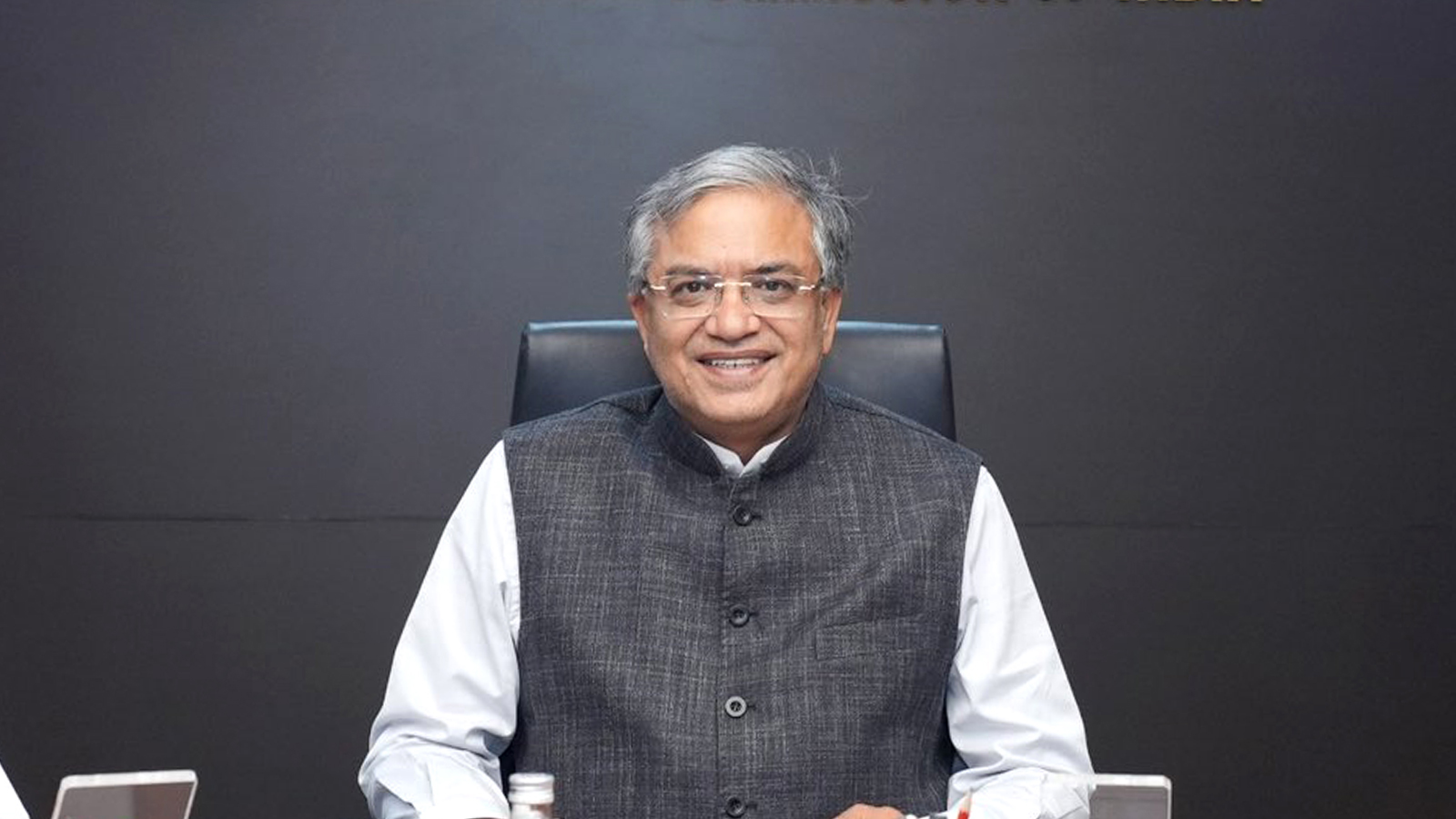
Chief Election Commissioner (CEC) Shri Gyanesh Kumar along with Election Commissioners Dr. Sukhbir Singh Sandhu and Dr. Vivek Joshi described the Observers as the “beacons of democracy,” and stressed their vital role as the Commission’s eyes and ears on the ground.
He called upon them to familiarise themselves with election laws, rules, and guidelines, provide independent field inputs, and ensure strict and impartial compliance. The officials were also asked to remain fully accessible to political parties, candidates, and voters for grievance redressal.
In addition, Observers have been tasked with visiting polling stations to oversee the implementation of recent voter-friendly initiatives introduced by the Commission.
The Commission underscored that Central Observers are appointed under the plenary powers granted by Article 324 of the Constitution and Section 20B of the Representation of the People Act, 1951. Their mandate is to assist the Commission in conducting free, fair, and transparent elections while ensuring efficient management of the electoral process at the field level.
The Commission encouraged the political parties to whole-heartedly celebrate elections in a festive spirit along with the voters.
The Political Parties thanked the Commission for successfully completing the historic Special Intensive Revision (SIR) exercise and purifying the electoral rolls and reiterated their faith and trust in the electoral processes.
To maximise the participation of voters in the elections, Political Parties suggested that the elections be scheduled immediately after the Chhath festival and for the elections to be completed in as few phases as possible.
The Political Parties particularly praised the Commission’s recent initiatives such as limiting the maximum number of voters per Polling Station to 1,200, ensuring that the counting of Postal Ballot votes is completed before the penultimate round of EVM counting and ensuring that Form 17C is distributed by the Presiding Officer (PrO) to the Political Party agents before leaving the Polling Station.
All the Political Parties expressed complete faith in the Commission, and in its fulfilment of the mandate to ensure free, fair and transparent elections.
Following the interaction with the Political Parties, the Commission held a detailed review with Commissioners, IGs, DIGs, DEOs, SSPs, SPs on every aspect of election planning, EVM management, logistics, polling station rationalisation and infrastructure, training of election staff, seizures, law and order, voter awareness and outreach activities.

