

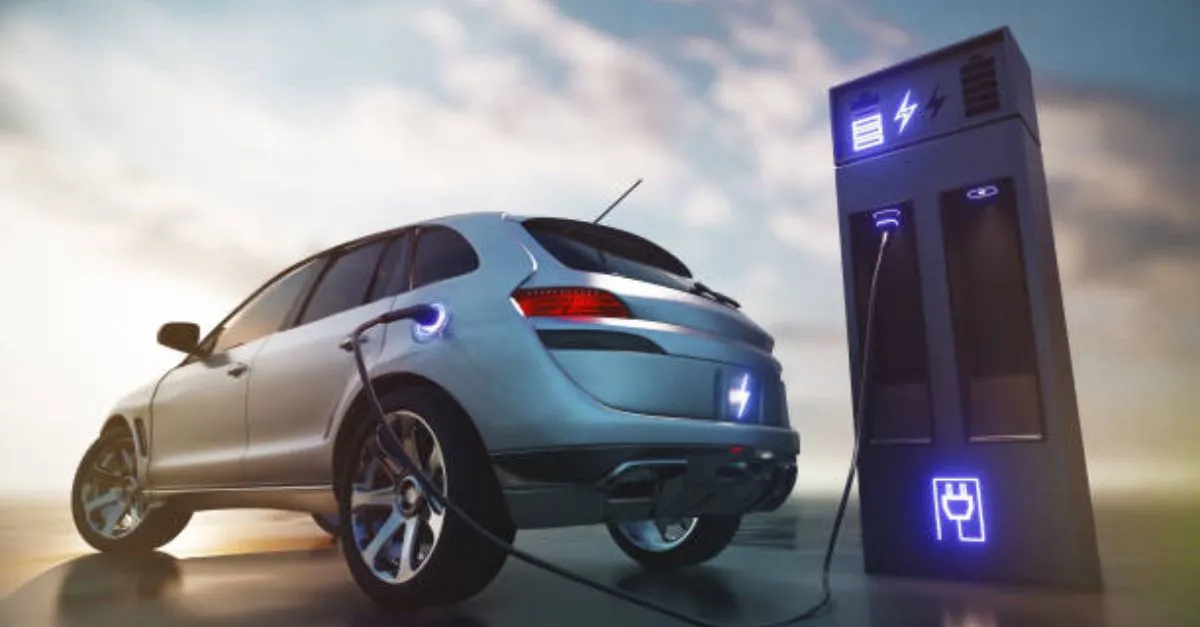
LUCKNOW: The Uttar Pradesh government has revised its Electric Vehicle (EV) policy, announcing that only EVs manufactured within the state will be eligible for subsidies starting October 14. The change comes as the state’s current subsidy scheme, introduced in 2022 to promote EV adoption and production, comes to an end on October 13.
Under the new policy, subsidy benefits will be extended to EVs made and registered in Uttar Pradesh between 2025 and 2027. The move aims to boost local manufacturing as several cities in the state are witnessing the establishment of new EV production units.
The move aligns with the state’s goal of becoming an EV manufacturing hub under the ‘Make in India’ and ‘Atmanirbhar Bharat’ initiatives. Officials believe this will generate local employment, encourage investments, and build a more self-reliant EV ecosystem in the state.
However, the change could also have short-term consequences for EV buyers, who may now face reduced options or higher upfront costs if they choose vehicles not eligible under the new policy. This move comes amid a growing focus on sustainable transport solutions, with Uttar Pradesh emerging as a significant market for electric vehicles in India.
The state’s EV policy was launched on October 14, 2022, to promote green mobility and reduce the upfront cost of ownership. It provided buyers with complete exemption from road tax and registration fees for three years, with refunds issued to those who had already paid these charges.
The current incentive structure offered buyers up to Rs 20 lakh depending on the vehicle category, broken down into Rs 5,000 for a two-wheeler, Rs 1,00,000 for a four-wheeler, Rs 20,00,000 for an electric bus, and Rs 1,00,000 for an e-goods carrier. To date, 17,665 vehicle owners have received subsidies, while 38,285 applications are still pending.
EV refers to all automobiles using electric motors that are powered by batteries, ultracapacitors, or fuel cells. These include all two-wheelers, three-wheelers, and four-wheelers, Strong Hybrid Electric Vehicle (HEV), Plug-in Hybrid Electric Vehicle (PHEV), Battery Electric Vehicle (BEV), and Fuel Cell Electric Vehicle (FCEV).

